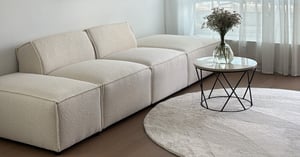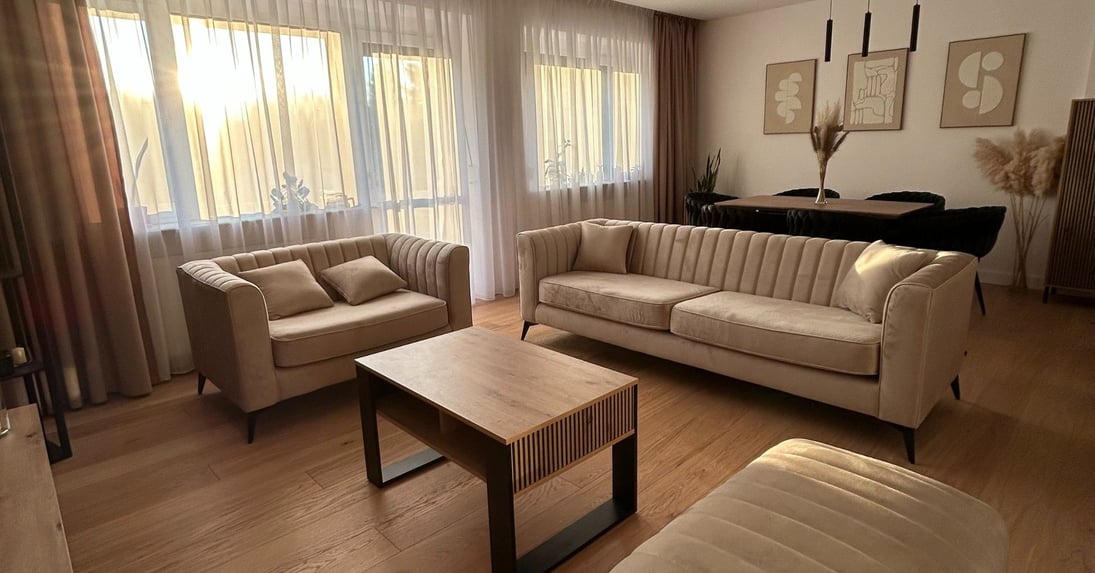
Clever Furniture Solutions for Open-Plan Apartments
An open-plan apartment creates an immediate sense of freedom, encouraging light, movement and shared moments, while at the same time presenting everyday challenges related to organising daily life. The absence of walls means that every design decision carries greater weight, as it affects the entire space viewed simultaneously from multiple perspectives. In interiors like these, it is furniture that takes on the role of a quiet architect, shaping the space without closing it off. Carefully selected solutions help maintain balance between openness and a sense of domestic comfort.
Zoning defined by furniture layout
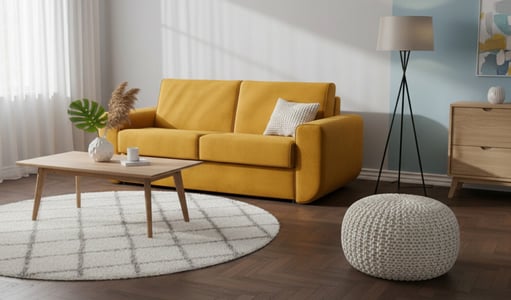
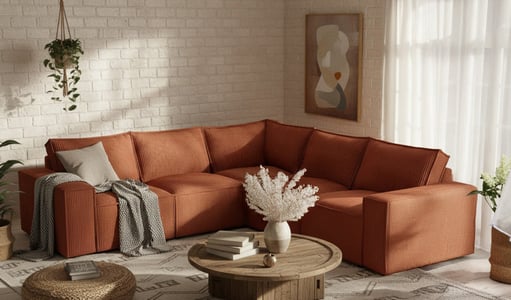
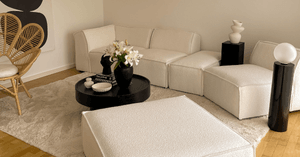
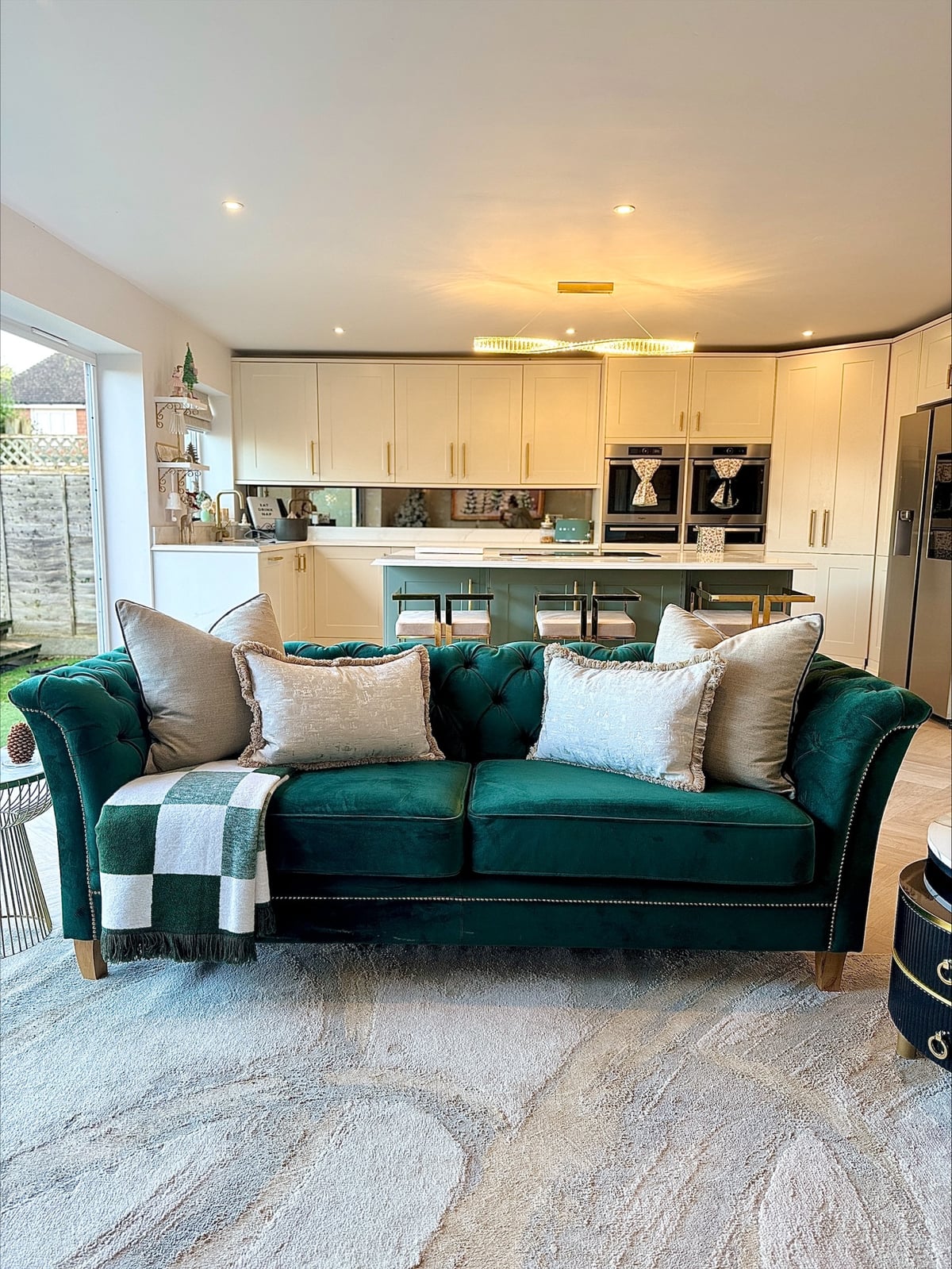
In open interiors, functional zones are not divided by walls but by thoughtfully arranged furnishings that naturally define boundaries. A sofa positioned with its back to the kitchen or a shelving unit placed between the living area and dining space can clearly indicate the purpose of each zone without compromising lightness. Such solutions support smooth movement throughout the apartment and help maintain a logical layout. As a result, zones remain clear while the space retains its open character.
Scale and proportion play a crucial role here, as furniture should correspond to the size of the interior and its intended functions. Elements that are too bulky may overwhelm the space, while pieces that are too small may fail to organise it effectively. A harmonious layout supports the natural daily rhythm of the household and makes the apartment easier to use. In this way, the layout enhances ergonomics and everyday comfort.
Multifunctional furniture as a response to open-plan needs
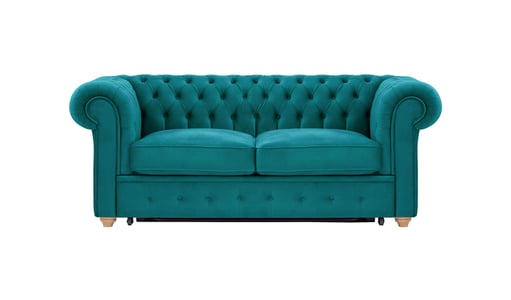
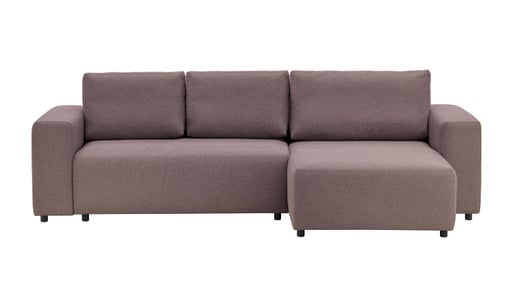
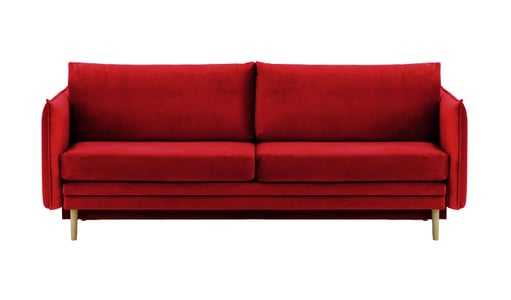
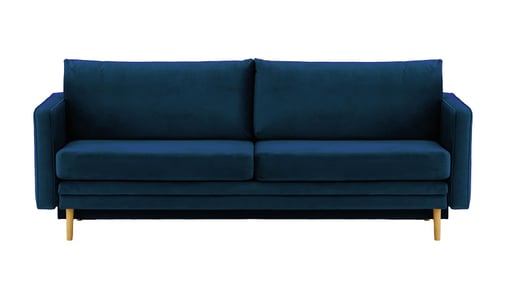
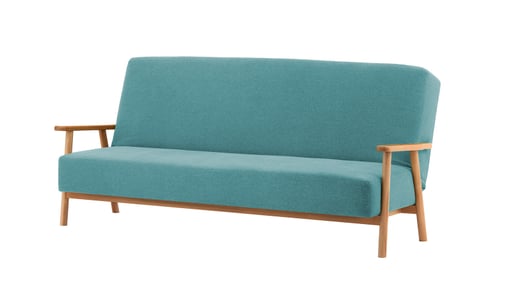
In open-plan spaces, furniture that can adapt to different functions proves especially effective. Extendable tables, sofa beds or ottomans with built-in storage reduce the number of items needed within the interior. This approach keeps the space orderly and easier to manage on a daily basis. It is precisely multifunctionality that supports flexibility in such arrangements.
It is equally important that these pieces are designed for regular use rather than occasional convenience. Well-engineered mechanisms and refined details directly influence comfort and durability. A thoughtfully designed item does not reveal its complexity at first glance, maintaining a cohesive form. As a result, function goes hand in hand with aesthetics.
Storage that does not dominate the interior
In an open-plan layout, every object left on display affects the perception of the entire space, which is why well-designed storage is essential. Built-in cupboards, low sideboards and hidden compartments within furniture help maintain order without visual clutter. These solutions organise daily life without overwhelming the interior with excess forms. In this way, order becomes an element of aesthetics.
The best results come from furniture with clean lines and a subdued colour palette that blends seamlessly into the background. Smooth fronts and the absence of unnecessary details create a calmer and more cohesive atmosphere. Hidden storage systems support visual clarity while simplifying everyday routines. This allows harmony to coexist with functionality.
Furniture as natural dividers
In open-plan homes, shelving units, sideboards or kitchen islands often act as subtle dividers that organise space without closing it off. These elements preserve access to natural light and maintain free air circulation. At the same time, they introduce a clear functional structure that makes the interior easier to use. In this context, furniture becomes a tool for organisation.
It is important that such furniture dividers are not placed at random but follow the logical layout of the apartment. Their positioning should support natural circulation routes and avoid obstructing movement. Well-planned solutions enhance comfort and bring order to everyday activities. As a result, flow contributes to convenience.
Colour schemes and materials supporting cohesion
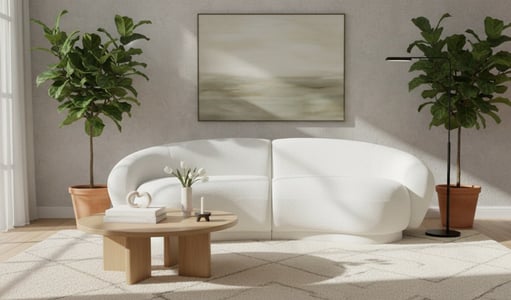
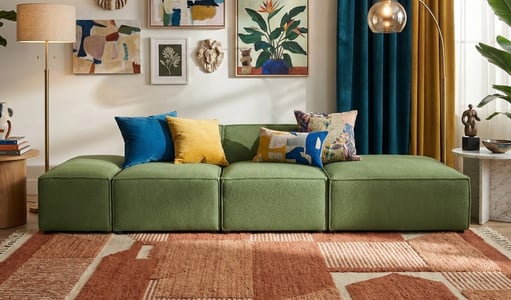
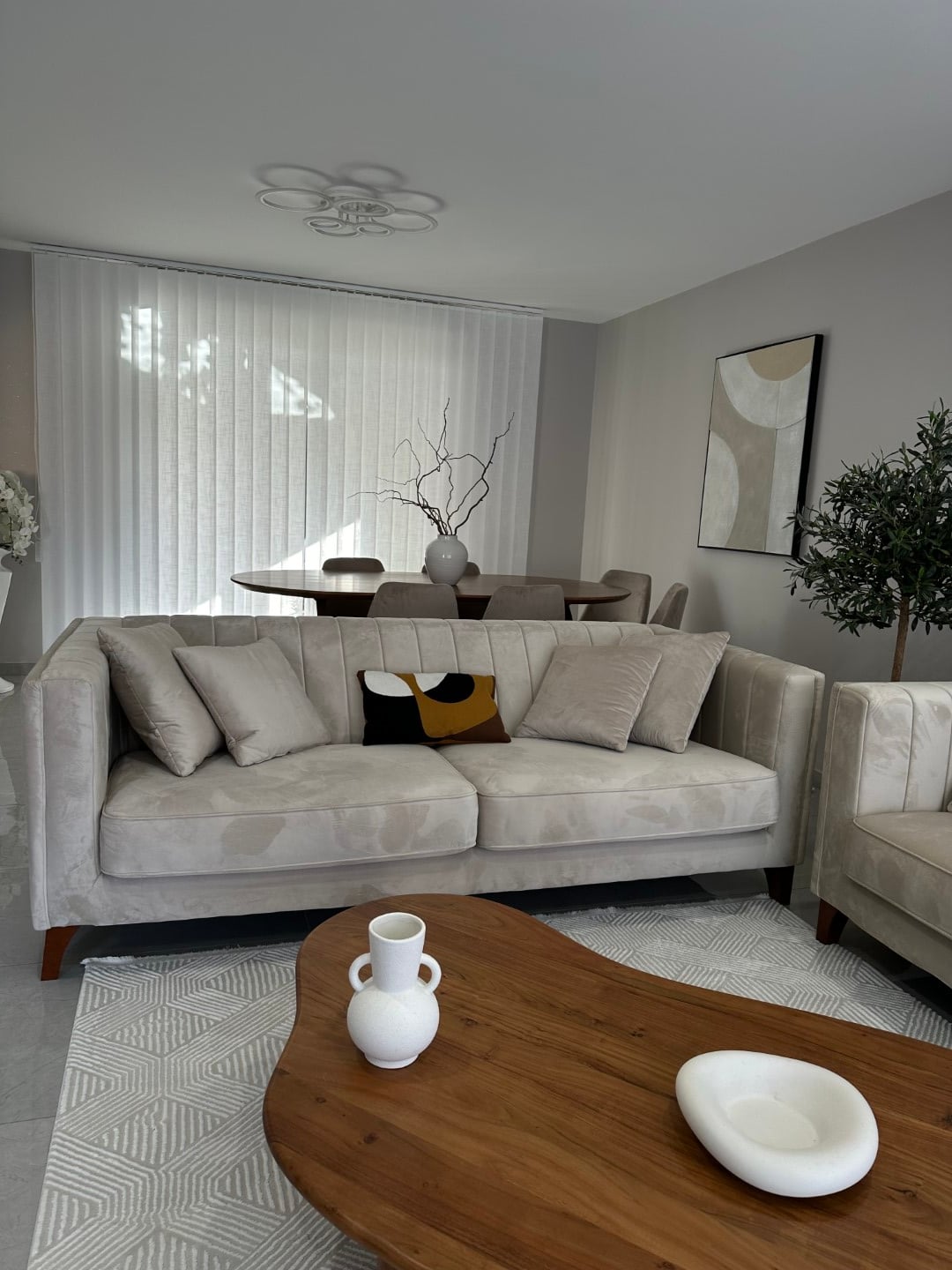
In open-plan apartments, colours and materials play a particularly important role, as they connect different zones into one visual whole. Repetition of tones and textures prevents a sense of randomness and sensory overload. Light shades further enhance the feeling of spaciousness and brightness. It is colours that ultimately build cohesion within the interior.
At the same time, subtle material contrasts help distinguish individual zones without the need for rigid boundaries. A different fabric texture in the living area or an alternative worktop finish in the kitchen introduces gentle variation. Such choices add depth and character to the space. As a result, materials enhance clarity in the arrangement.
Ergonomics in everyday use
An open interior should be designed so that daily activities flow smoothly without unnecessary obstacles. Appropriate distances between furniture pieces and a logical arrangement of zones directly influence ease of movement. Ergonomics is not an added feature here but the foundation of a well-planned space. It is the layout that determines everyday comfort.
Furniture tailored to the height, working habits and lifestyle of the occupants supports natural routines and reduces fatigue. A thoughtful arrangement simplifies everyday tasks, from cooking to relaxation. As a result, the apartment becomes a space that genuinely responds to its users’ needs. In this way, comfort merges seamlessly with functionality.
A well-designed open-plan apartment is never the result of chance but of conscious decisions that balance aesthetics with everyday practicality. Furniture plays a key role in organising space and shaping a homely atmosphere. It determines whether an interior supports rest, work and shared time. Ultimately, thoughtful solutions lead to lasting harmony.
When all elements work together, an open space stops being a challenge and begins to support daily life naturally. A coherent layout, functional furniture and carefully considered details create an interior that evolves alongside its occupants. Such a home becomes a place one truly enjoys returning to. This is when space truly becomes a home.