Space-Saving Corner Sofas for Compact Living Rooms
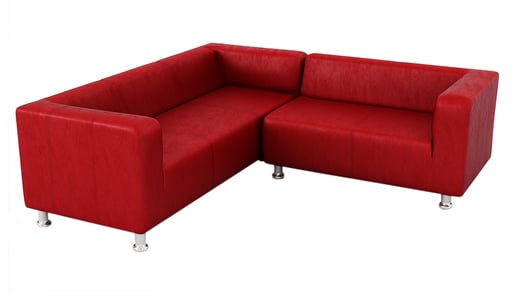
Compact living rooms demand deliberate choices, because every square metre must combine practicality with visual lightness without diminishing the character of the interior. A corner sofa makes intelligent use of an area that is often underestimated, transforming the junction of two walls into a fully defined relaxation zone. Instead of scattering several seating pieces throughout the room, one cohesive structure introduces spatial organisation and a clear visual hierarchy. This arrangement supports natural circulation and frees the centre of the room, which immediately enhances the perception of openness. In smaller apartments where the living room merges with the kitchen or dining space, a corner sofa subtly defines functional zones without erecting physical barriers. The result is an interior that feels structured yet fluid.
At the same time, a corner configuration provides more seating within the same footprint than separate sofas and armchairs would allow. This makes it particularly effective in homes where the living room serves as a social hub. A well-chosen model reconciles efficient use of floor area with everyday comfort, avoiding the visual clutter that multiple independent pieces might create. One integrated volume replaces several competing elements, reinforcing cohesion rather than fragmentation. In compact interiors, integration is far more powerful than reduction. When space is limited, clarity becomes a design strategy rather than a compromise.
Proportion Matters More Than Size
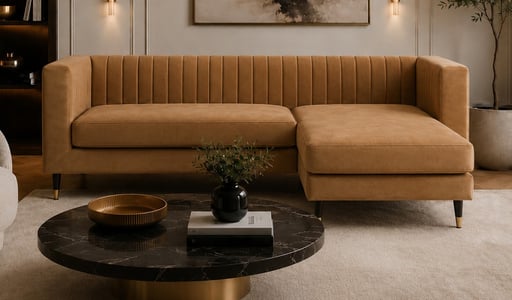
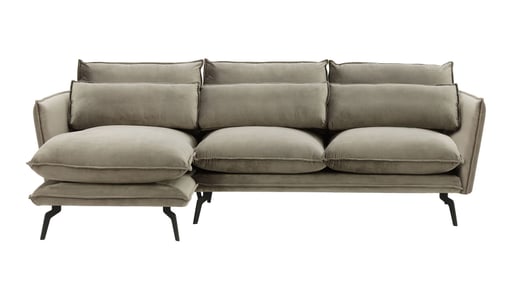
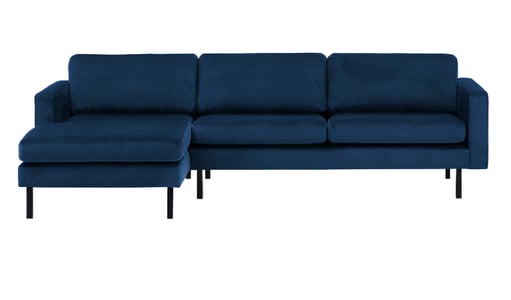
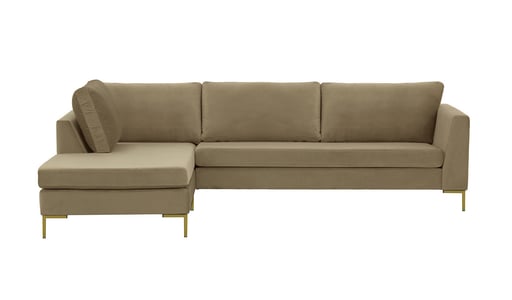
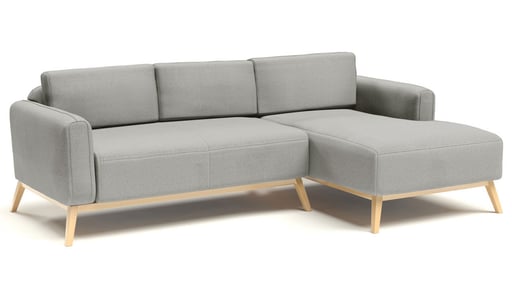
In smaller living rooms, the most common mistake is choosing a sofa based solely on seating capacity without analysing its relationship to the architecture. In compact interiors, proportion and scale determine whether a piece enhances spatial balance or disrupts it. Lower backrests maintain uninterrupted sightlines, allowing the room to appear wider and more breathable. Slim armrests and raised legs visually lighten the structure, preventing it from feeling heavy or obstructive. These details subtly influence perception, even when they are not consciously noticed. A well-proportioned corner sofa collaborates with the room rather than overpowering it.
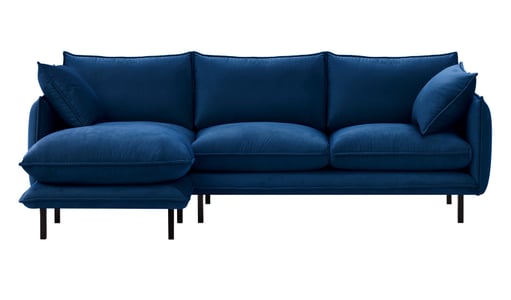
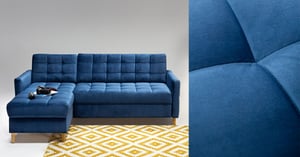
Check → Satell left-hand corner sofa bed
Seat depth also plays a critical role, as overly deep models may reduce circulation space in narrow layouts. The ideal solution balances ergonomic comfort with realistic spatial constraints, ensuring that relaxation does not compromise movement. Modular configurations add adaptability, enabling the layout to evolve alongside changing needs, particularly in multifunctional apartments. Flexibility enhances usability without increasing square footage. When scale is handled with precision, the interior retains both clarity and movement. In compact design, refinement replaces excess.
Layout That Supports Natural Flow
In limited spaces, placement is just as important as the furniture itself, because a poorly positioned sofa can interrupt circulation and visually compress the room. Ideally, the corner sofa should align with the geometry of the walls, reinforcing spatial clarity rather than complicating it. Positioning the longer side along the longest wall often elongates the perceived proportions of the space and stabilises the composition. At the same time, maintaining unobstructed pathways prevents the interior from feeling constrained. Even small rooms require controlled emptiness to remain visually balanced. Negative space becomes an active design tool.
In open-plan layouts, a corner sofa can function as a subtle boundary between living and dining areas. Instead of introducing shelving units or partitions, its orientation alone creates natural zoning while preserving light and continuity. This strategy is particularly effective in studio apartments, where separation must remain flexible. The furniture assumes an architectural role without becoming intrusive. It defines functions without enclosing them. Thoughtful placement amplifies both practicality and elegance.
Multi-Functionality as a Design Strategy
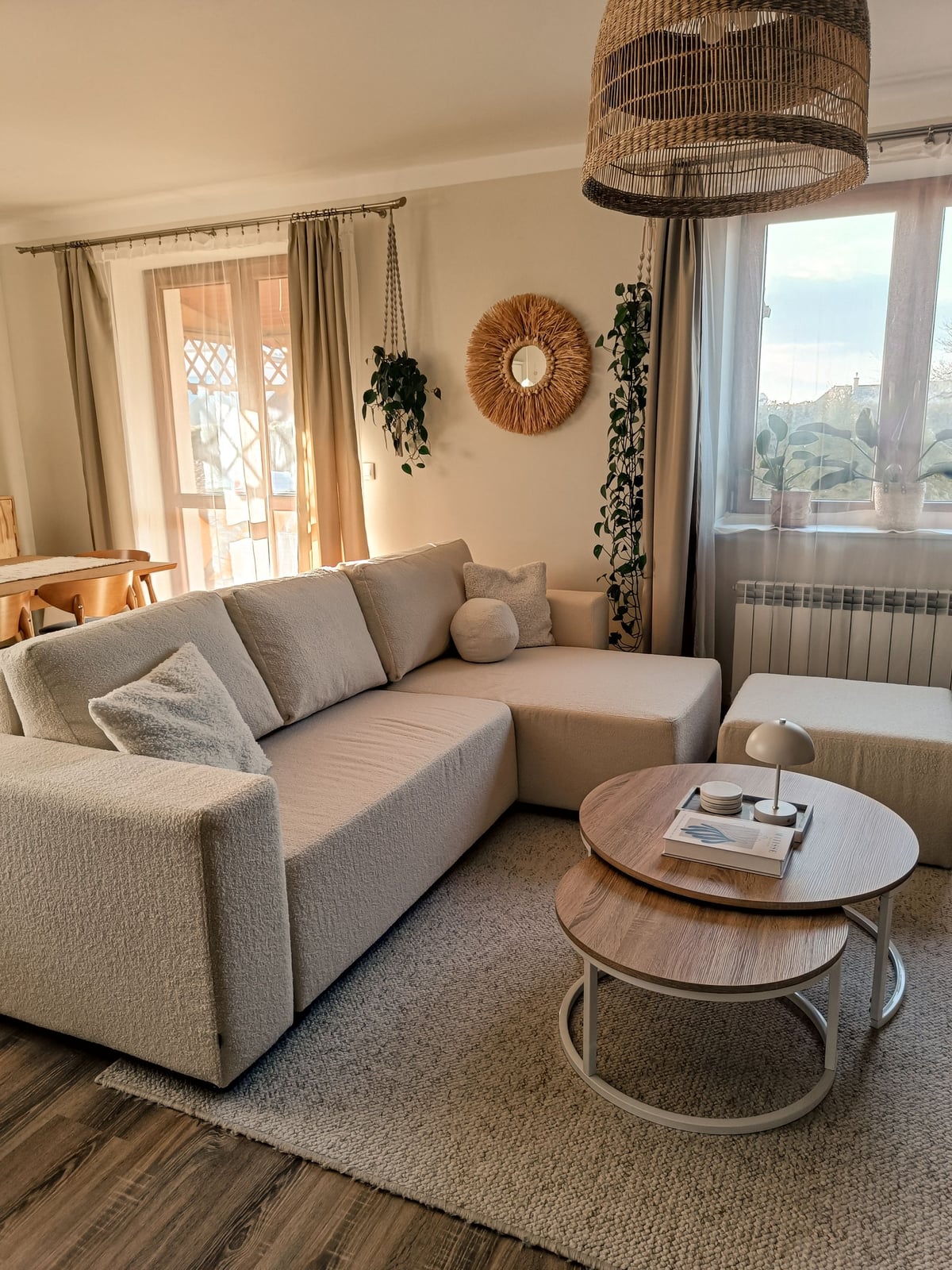
In compact interiors, furniture often needs to serve more than one purpose, which is why corner sofas with built-in storage or sleeper mechanisms have become increasingly relevant. Hidden compartments reduce the need for additional cabinets, supporting visual order and minimising unnecessary elements. Fewer standalone pieces translate into more light and freedom of movement. A sleeper function enables overnight guests without requiring a separate room. This flexibility is particularly valuable in smaller urban homes. The sofa adapts to daily rhythms instead of restricting them.
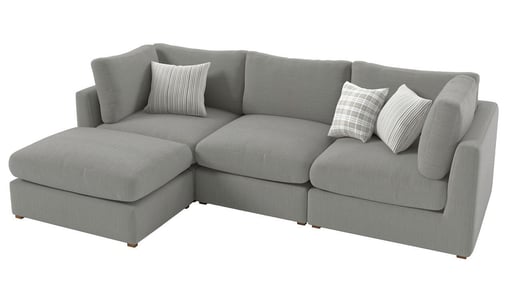
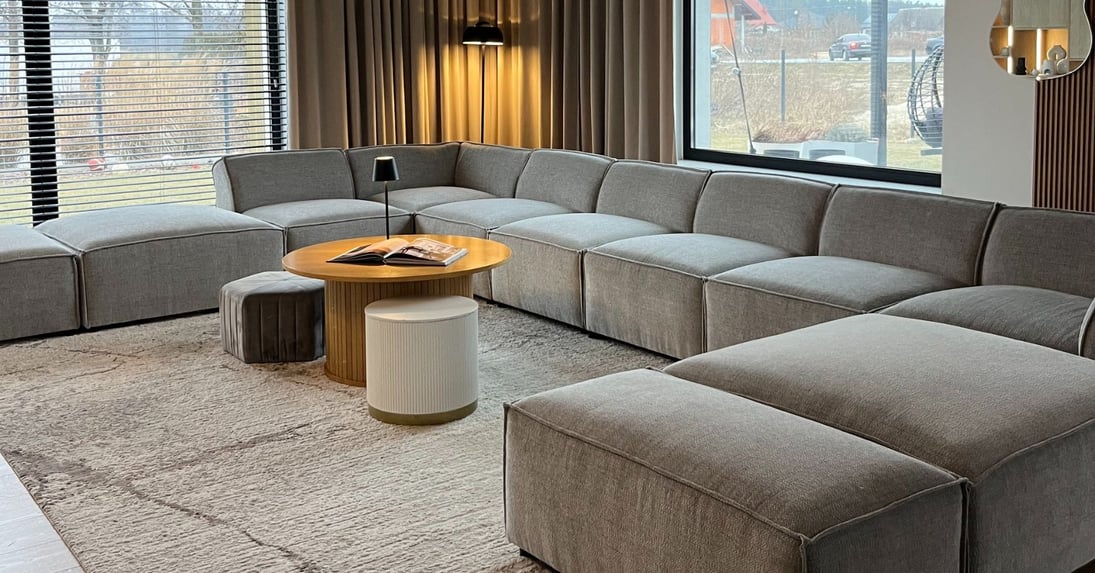
Check → Modular Corner Sofa Tao
Such multi-functionality does not imply compromise but rather intelligent engineering. High-quality mechanisms and durable frames ensure structural longevity, maintaining performance in both seating and sleeping modes. A well-designed corner sofa becomes a long-term investment rather than a temporary fix. Everyday practicality aligns with aesthetic restraint. In smaller living rooms, intelligent features create a sense of abundance. Function becomes a source of spatial freedom.
Visual Lightness in the Details
In compact spaces, subtle design elements significantly shape perception. Raised legs expose more floor surface, reinforcing a sense of spaciousness and allowing light to circulate more freely. Neutral fabrics reflect brightness and prevent the sofa from appearing visually dominant. Soft textures add depth without introducing clutter or visual noise. These details collectively determine whether a room feels airy or compressed. A corner sofa can remain expressive without overwhelming the interior.
The geometry of the piece also matters, as gently rounded edges soften tight corners and reduce visual tension. Such forms support the psychology of spatial perception, making the environment feel more welcoming and secure. Sharp angles in confined areas may intensify the impression of restriction. Thoughtful curvature introduces harmony and fluidity. In compact living rooms, design decisions directly influence daily comfort. Even subtle adjustments reshape the emotional tone of the space.
Conclusion
A corner sofa in a small living room is not a compromise but a conscious design decision. Through careful proportion, intelligent layout and multi-functionality, limited square footage becomes structured and inviting. The key lies in integration rather than reduction. When selected with precision, the piece balances aesthetics and practicality without visual overload. Even modest interiors can offer generosity and ease. In compact spaces, good design reveals its true strength.