Making the Most of a Window Seat: Cushions, Fabrics and Style Tips
The space by the window is often underestimated, even though it is where natural light meets everyday life, creating an ideal backdrop for rest and quiet moments. With thoughtful planning, it can become a functional retreat that combines comfort with visual harmony. Cushions, textiles, and carefully chosen details do more than decorate, as they actively shape the atmosphere and usability of the space. When a window is treated as an architectural asset rather than a limitation, its full potential becomes easier to unlock. This guide walks through proven ideas that help transform the area by the window into a cohesive and inviting part of the home.
The window as a natural focal point
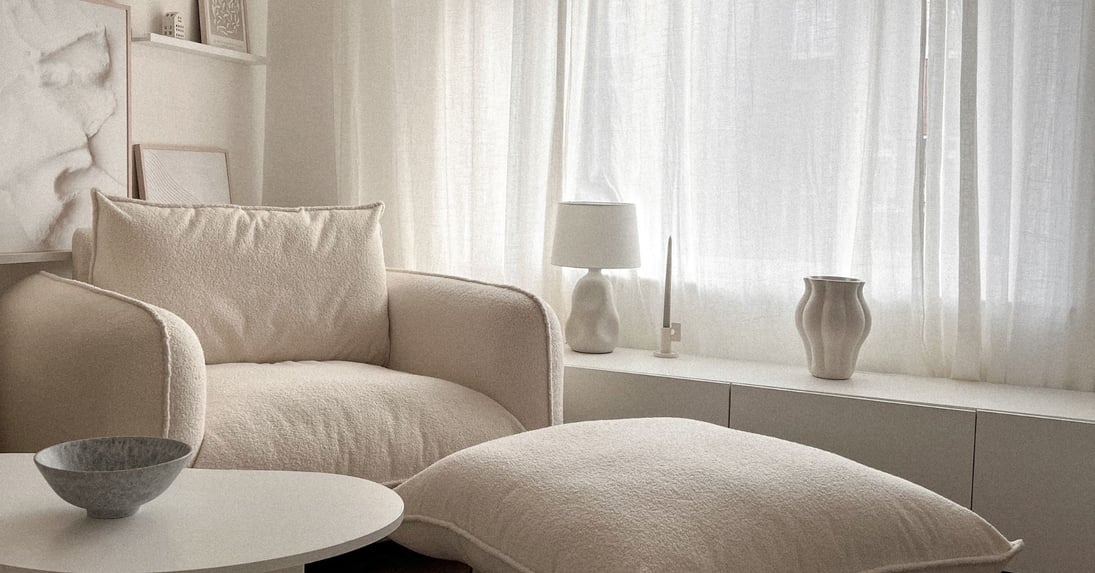
Natural light strongly influences how an interior is perceived, which is why the area around the window works well as a starting point for the overall arrangement. Adding seating or soft cushions nearby instantly gives the space a clear identity that draws people in. The window then becomes more than a source of light, acting instead as a frame for everyday rituals such as reading or enjoying a quiet coffee. Well-balanced proportions between furniture and textiles help maintain visual lightness, even in smaller rooms. As a result, the space feels open rather than overwhelming.
Thinking of the window zone as a transition between indoors and outdoors brings a more intentional approach to styling. Soft materials reduce the contrast between glass and solid walls, creating a cohesive composition. Instead of blocking daylight, fabrics can be used to filter and shape it. This approach supports a balanced atmosphere where every element has a purpose. The window begins to enhance the entire interior rather than standing apart from it.
Window seating as the foundation
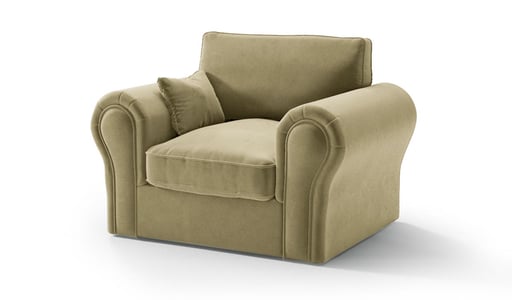
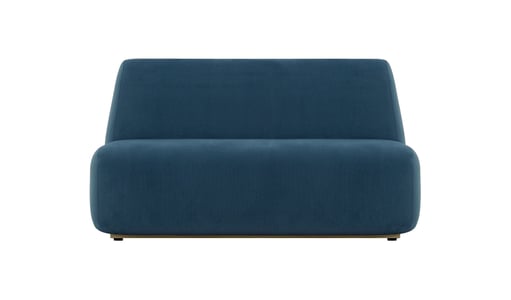
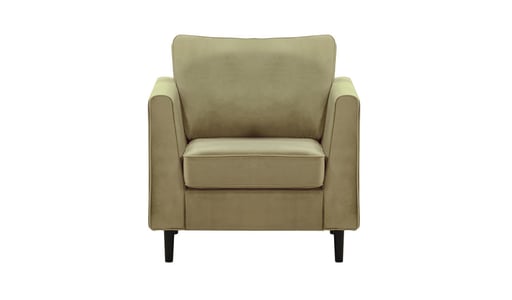
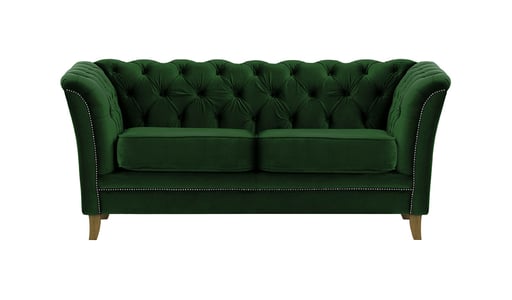
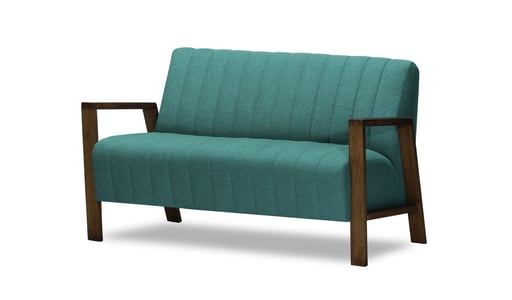
A fixed or movable seat by the window forms a base on which style and function can develop naturally. This could be a bench with storage, a low cabinet topped with a cushion, or a simple armchair that introduces a practical solution without altering the layout. Matching the seat height to the window sill helps the arrangement feel intentional and comfortable. A well-chosen base makes it easier to layer textiles and accessories later on. This creates an adaptable structure that evolves with changing needs.
Window seating often serves several purposes at once, which is why it benefits from a flexible design mindset. It can be a place to relax, extra seating for guests, or a quiet corner for focused work. Upholstery choices influence not only appearance but also durability during everyday use. When designed thoughtfully, the seating supports daily comfort while maintaining a refined look. It becomes the anchor for the entire arrangement around the window.
Cushions as a tool for comfort
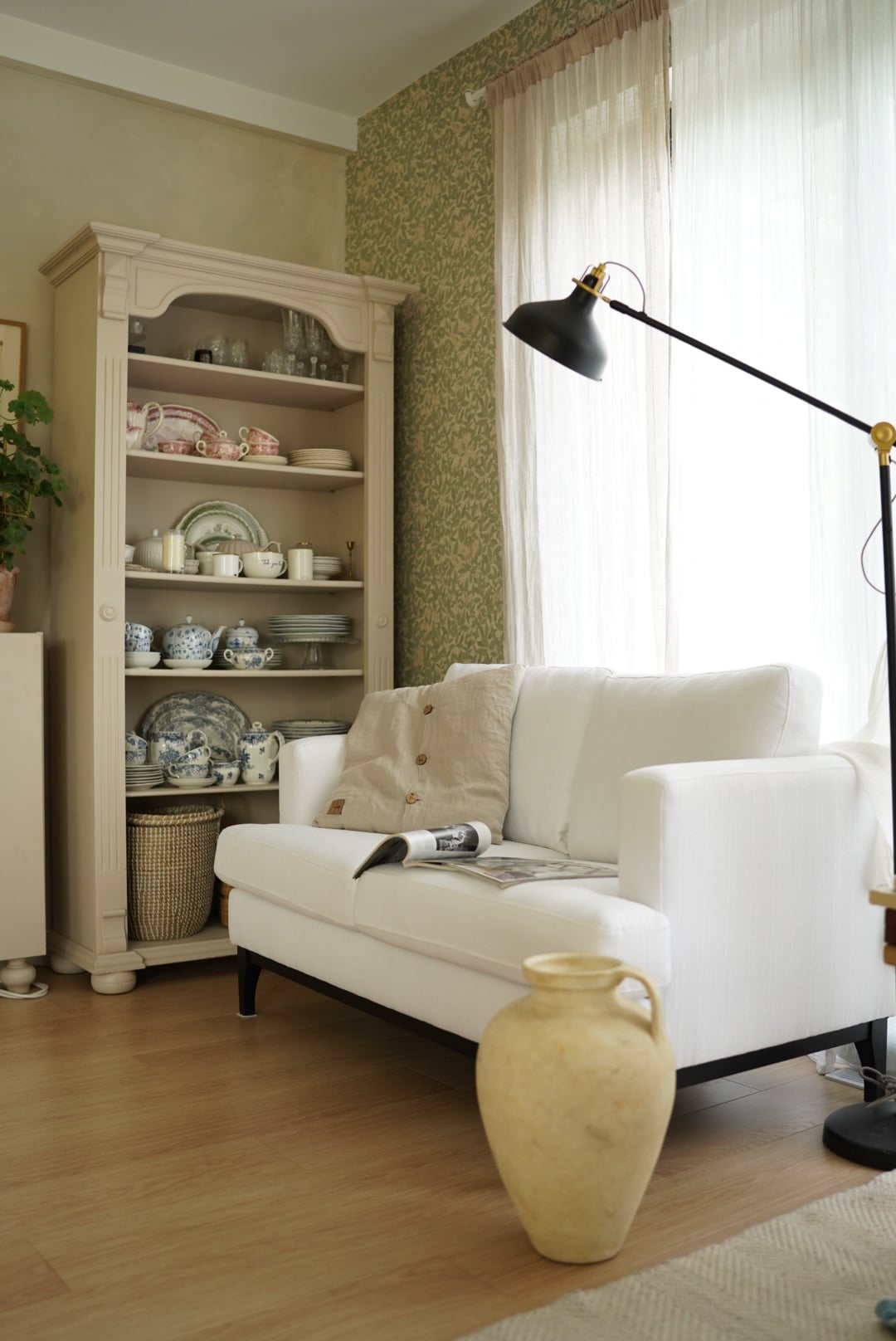
Cushions are one of the simplest ways to add softness and personality to a window area. Their variety of shapes and fillings allows seating comfort to be adjusted without replacing key furniture pieces. Mixing different sizes creates a layered effect that invites relaxed use. Too many cushions, however, can disrupt proportions and overwhelm the space. A balanced selection helps maintain visual calm.
Colour choices can subtly echo the rest of the interior or deliberately introduce contrast. Fabrics with different textures, from smooth to richly woven, add depth and interest. Even a simple bench gains a more considered appearance through thoughtful cushion styling. Cushions also work well as seasonal accents that are easy to refresh. This keeps the window area visually dynamic while remaining open to small changes.
Window textiles and light control
Curtains, blinds, and sheer fabrics determine how light behaves within a room, shaping the overall mood. Lightweight materials preserve brightness while creating soft diffusion of sunlight. Heavier textiles provide privacy and suit windows facing busy surroundings. Choosing the right option depends on both room function and interior style. This makes textiles a deliberate design element rather than an afterthought.
Coordinating window fabrics with cushions helps build a consistent visual story. Natural fibres enhance warmth, while smooth finishes suit more contemporary interiors. How fabrics move when the window is opened also affects everyday comfort. A thoughtful selection avoids clutter and visual noise. The result is controlled lightness paired with a coherent rhythm.
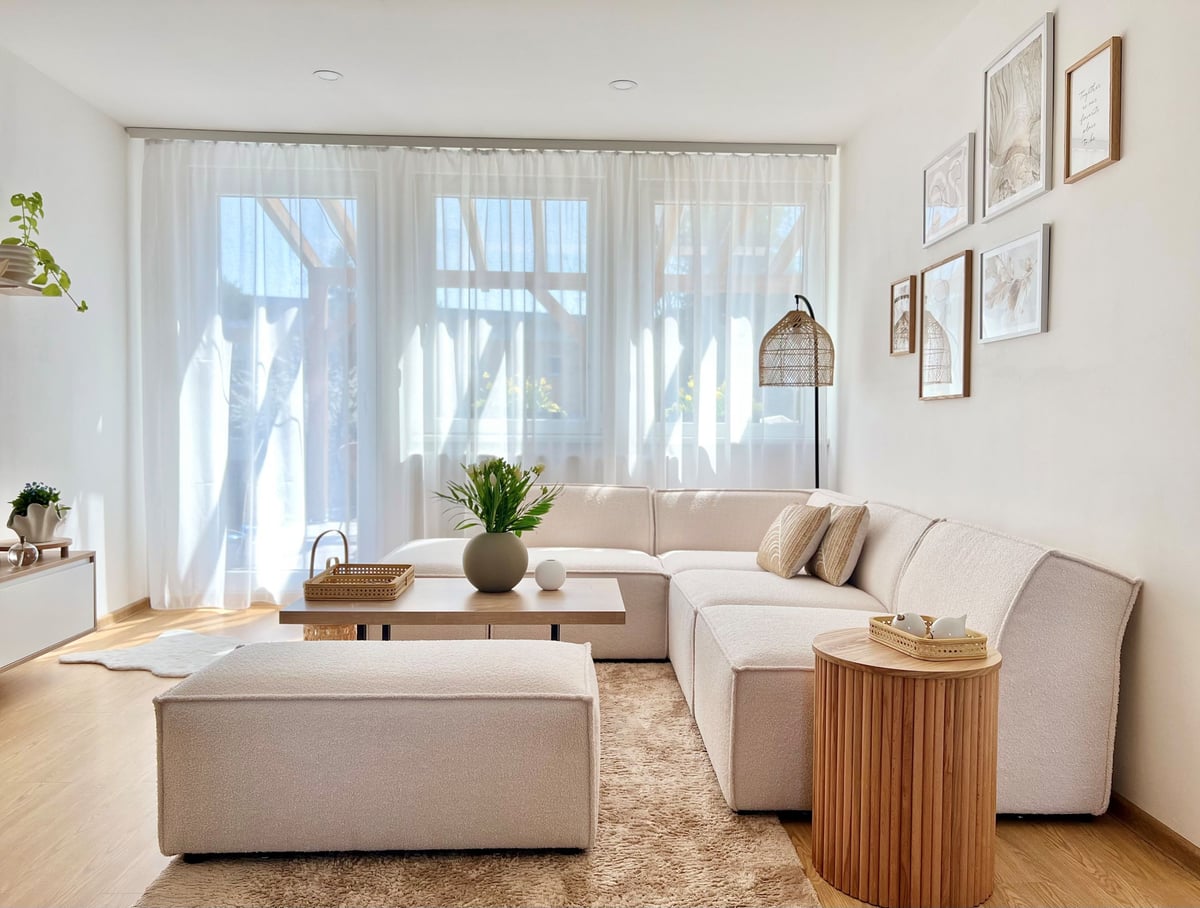
Colours and textures around the window
The colour palette near a window should support natural light instead of competing with it. Lighter tones reflect daylight, visually enlarging the space and adding visual airiness. Darker accents can work as a backdrop that highlights cushions and furniture forms. Consistency with the rest of the interior keeps the window zone from feeling disconnected. This approach creates a harmonious whole rather than a separate vignette.
Textures play a role equal to colour, influencing both visual and tactile perception. Combining smooth fabrics with pronounced weaves adds interest without excess. Natural materials interact beautifully with daylight, revealing subtle changes throughout the day. These contrasts give the arrangement a layered quality. Textures build subtle depth and reinforce the individual character of the space.
Functionality hidden in details
The area by the window can gain extra functionality through well-chosen details and accessories. Storage beneath seating, shelves for books, or small side tables help maintain order while preserving style. Such features turn the space into a practical support zone for daily activities. Proportions remain important, as oversized elements can dominate visually. When balanced correctly, function aligns with aesthetic clarity.
Additional lighting, such as wall lamps or table lights, allows the window area to be used after dark. Warm light enhances fabric textures and creates a more intimate feel. This ensures the space retains its character even in the evening hours. Often, it is these details that determine how frequently the area is used. Thoughtful accents shape evening ambience and strengthen functional cohesion.
Conclusion
Designing the space by the window is a process that combines sensitivity to light, materials, and everyday habits. When cushions, textiles, and furniture work together, the result supports both relaxation and daily rituals. This kind of arrangement relies less on major investments and more on conscious choices and attention to detail. Over time, the window becomes more than an architectural feature, turning into an integral part of the interior. It is there that a sense of warmth naturally settles, allowing the home to feel truly lived in.