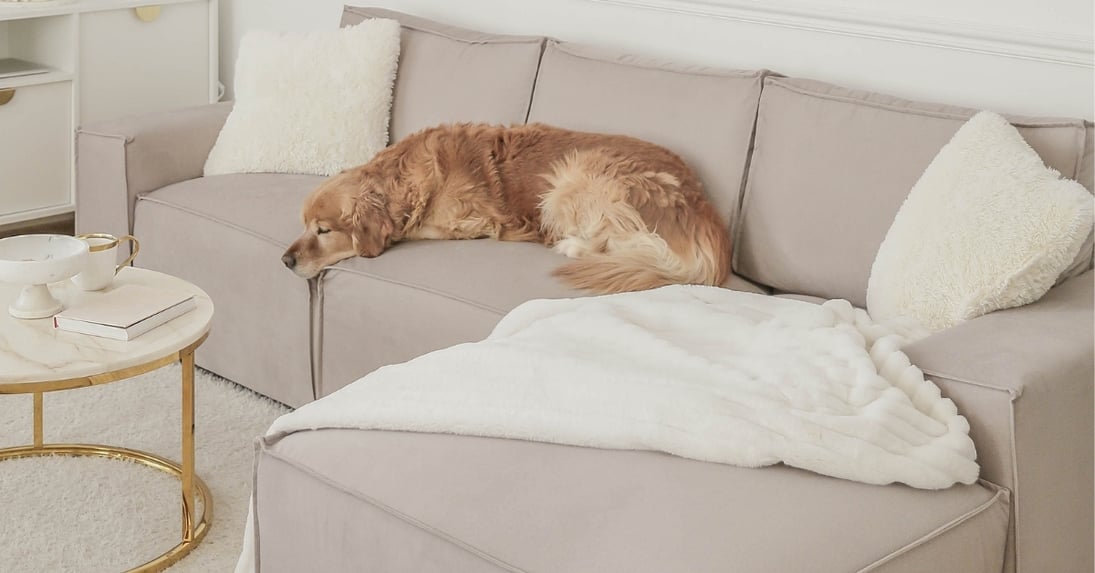
How to Keep Your Sofa Looking New with Kids and Pets at Home
There's a certain kind of chaos that comes with a home full of little ones and animals — muddy paws, sticky fingers, the occasional mystery stain that appears from nowhere. Your sofa sits right in the middle of it all, and it tends to show every bit of it. The good news is that keeping it looking fresh doesn't require constant vigilance or furniture you're afraid to actually use. It requires the right choices upfront and a few simple habits along the way.
Choose the Right Fabric From the Start
If you're buying a new sofa with kids or pets in mind, fabric is the single most important decision you'll make. Microfibre and tightly woven fabrics like faux leather, performance velvet, and corduroy with a dense weave are significantly more resistant to staining, scratching, and general wear than loosely woven linens or delicate silks.
Faux leather is arguably the most practical option: spills wipe off instantly and pet hair doesn't embed itself in the surface. If you love the warmth of fabric, look for sofas with a high rub count (above 30,000 Martindale is a good benchmark for durability) or those treated with a stain-resistant finish.
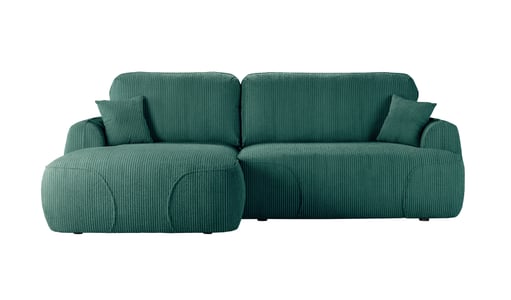
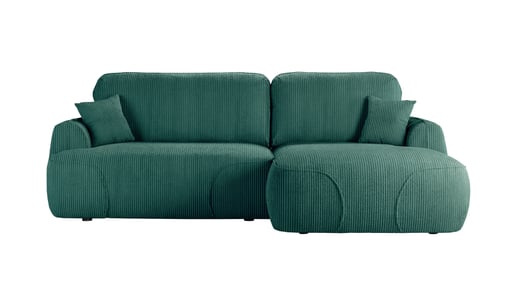
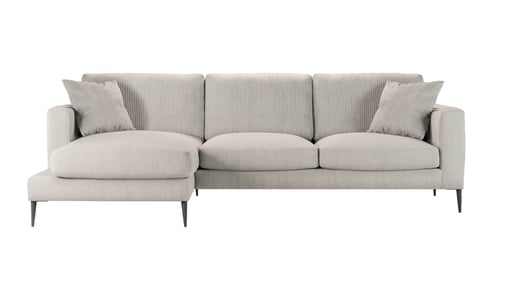
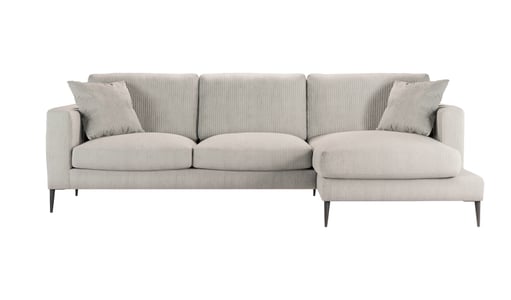
Looking for a sofa built for exactly this kind of household? The Satell left-hand corner sofa bed is available in Poso fabric, a mid-ribbed corduroy with Easy Clean technology and a pet-friendly rating, which handles daily life without needing constant attention. See the Satell →
Avoid light-coloured open weaves if you have a dog that sheds or a toddler who eats on the sofa. It's not pessimism: it's about setting yourself up to actually enjoy the furniture.
Use a Sofa Cover Strategically
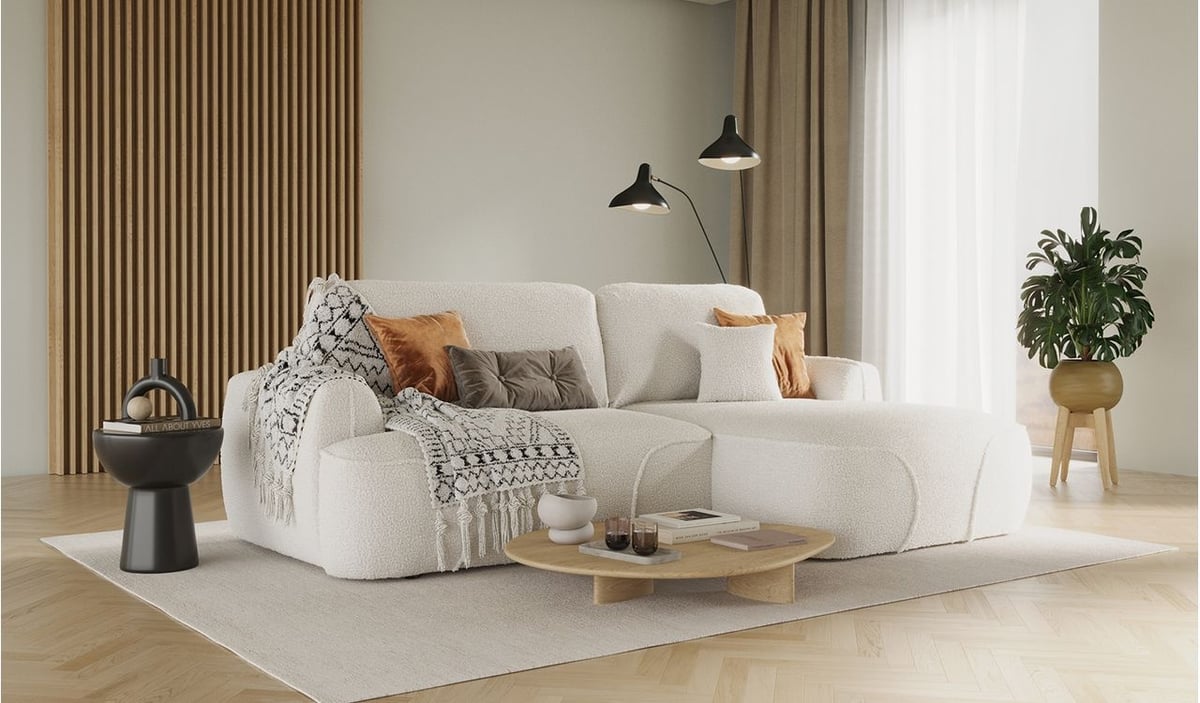
Throws and washable sofa covers are not a compromise: they're a genuinely smart solution. A well-chosen throw in a complementary colour or texture can actually elevate the look of your living room while protecting the areas that take the most wear: the seat cushions and armrests.
The key is to treat the throw as part of the design, not as something you're hiding. Drape it intentionally, choose a fabric that complements your interior, and wash it regularly. When guests come over, fold it away and the sofa underneath stays clean.
Fitted washable covers are another option, particularly useful if your pet has claimed a specific corner of the sofa as their own. Some sofa brands now offer interchangeable covers precisely for this reason, which is worth keeping in mind when making a purchase.
Act on Spills Immediately
Speed is everything with stains. The longer a spill sits, the deeper it penetrates the fibres and the harder it becomes to remove. Keep a clean cloth within easy reach of your living room so that when something happens, you can act within seconds.
Blot, don't rub. Rubbing spreads the stain and pushes it deeper into the fabric. Work from the outside of the spill inward, using a clean section of cloth each time. For most fabric sofas, cold water and a small amount of mild dish soap will handle the majority of everyday spills effectively.
For pet accidents specifically, an enzyme-based cleaner is worth having at home. These break down the biological compounds in urine and vomit at a molecular level, removing both the stain and the odour. That last part matters: if the smell remains, your pet will return to the same spot.
Establish Simple House Rules
This one is less about cleaning and more about reducing the workload in the first place. House rules don't have to be strict or joyless: they just need to be consistent.
Food on the sofa is one of the biggest contributors to staining and odour over time. Even if you allow snacks in the living room, a rule about no saucy or greasy food on the cushions goes a long way. Similarly, having a designated spot near the front door for wiping paws significantly reduces the amount of dirt that makes it onto the upholstery.
With pets, a blanket or dedicated cushion that belongs to them gives them a comfortable spot while keeping most of the hair and dirt in one easily washable place. Many dogs and cats will naturally gravitate to their own spot once it's established.
Keep Up with Pet Hair Before It Builds Up
Pet hair is manageable in small amounts and genuinely overwhelming when it's been left for weeks. A quick once-over with a lint roller or rubber glove two or three times a week takes about two minutes and prevents the kind of build-up that requires a full afternoon to deal with.
For deeply embedded hair, especially common with long-haired cats or double-coated dogs, a slightly damp rubber glove dragged across the surface works surprisingly well. The static and texture pull the hair into clumps that you can then lift off easily. Upholstery attachments on most modern vacuum cleaners do an excellent job too, particularly on fabric sofas.
Grooming your pet regularly also makes a meaningful difference to how much hair ends up on your furniture in the first place.
Rotate and Flip Cushions Regularly
Sofas wear unevenly because we tend to sit in the same spots. One side of a corner sofa often takes far more weight than the other, and certain cushions flatten and discolour faster as a result.
If your sofa has reversible cushions, flip them every few weeks. Rotate them between positions so that the wear distributes more evenly across the whole piece. This simple habit can noticeably extend the lifespan of the cushions and keep the sofa looking balanced rather than lopsided and tired.
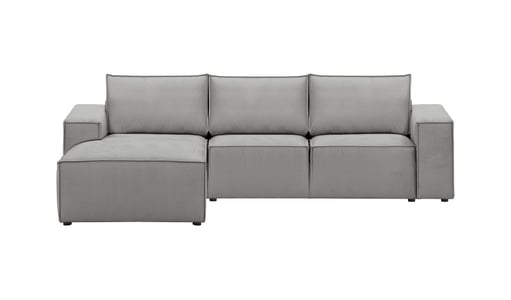
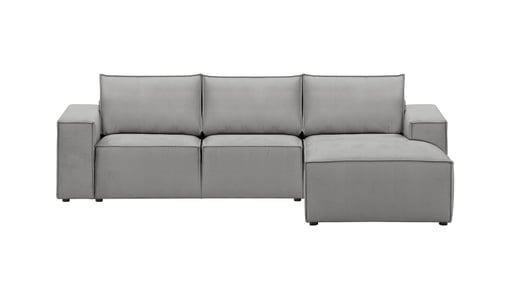
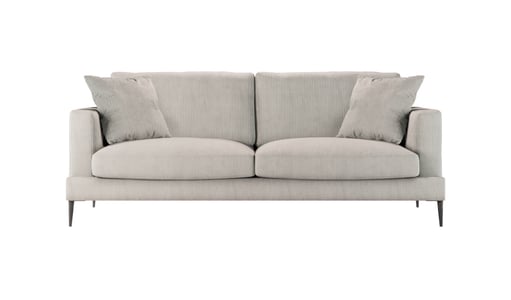
Worth considering if you're choosing a modular sofa: the Covex 4 Seater is available in Ontario-S fabric, a fine-ribbed matte corduroy that's pet-friendly and resistant to abrasion and pilling, and its modular design naturally distributes wear across the whole piece over time. See the Covex →
Schedule a Deeper Clean Every Few Months
Day-to-day maintenance keeps things presentable, but a more thorough clean every three to four months deals with the slow accumulation of dust, body oils, and odour that builds up even when nothing obvious has spilled.
Check your sofa's care label before using any cleaning method, as different fabrics respond differently and using the wrong product can cause lasting damage. The label will typically indicate whether the fabric can be cleaned with water-based solutions (W), solvent-based cleaners (S), or both (SW), or whether it needs professional cleaning only (X). For both Poso and Ontario-S, care is straightforward: soapy water or water-based products, no ironing, no bleach.
Steam cleaning is effective for many fabric types and kills bacteria and dust mites without chemical products, which is worth considering if you have young children who spend a lot of time on the sofa. For leather and faux leather, a dedicated conditioner applied a couple of times a year keeps the material supple and prevents cracking.
Protect Before Problems Arise
Fabric protector sprays, applied to a new sofa before it's first used or to a thoroughly dried sofa after a deep clean, create an invisible barrier that causes liquids to bead on the surface rather than soaking in immediately. This buys you time to blot a spill before it becomes a stain.
Reapply after each deep clean, as cleaning removes the protective layer along with the dirt. It's a small investment that pays off considerably when you have a household where spills are a matter of when, not if.
A sofa in a home with children and pets is going to have a life, and that's exactly as it should be. With the right fabric, a few protective measures, and habits that don't require much effort once they're established, there's no reason it can't also stay in genuinely good condition for years. The goal isn't a sofa that looks untouched. It's one that looks cared for.